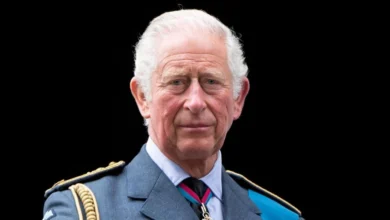
15 MINUTES AGO: Prince William strips Camilla of her Queen title after a shocking DNA secret involving Diana is revealed. Prince Harry stands frozen, unable to believe the truth, as the test results—allegedly released by Camilla—rewrite the line of succession: ‘From this moment on, the monarchy will change because…’”

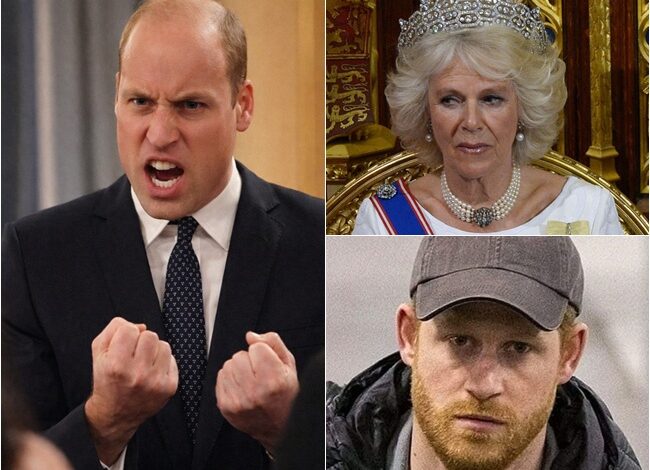
15 MINUTES AGO: Prince William strips Camilla of her Queen title after a shocking DNA secret involving Diana is revealed. Prince Harry stands frozen, unable to believe the truth, as the test results—allegedly released by Camilla—rewrite the line of succession: ‘From this moment on, the monarchy will change because…’”
The British royal family has long balanced tradition, personal relationships, and public duty. In recent months, renewed public attention has focused on how senior royals manage that balance, particularly as the Prince and Princess of Wales navigate a period of reduced public appearances following Catherine’s health-related absence from duties earlier this year.
While some media coverage has suggested internal disagreement within the royal household, Buckingham Palace has made no official statements confirming any confrontation between Prince William and Queen Camilla. What is clear, however, is that the modern monarchy is operating under evolving expectations, with clearly defined roles and boundaries shaping how senior figures approach public life.
Catherine, Princess of Wales, and a Carefully Managed Return
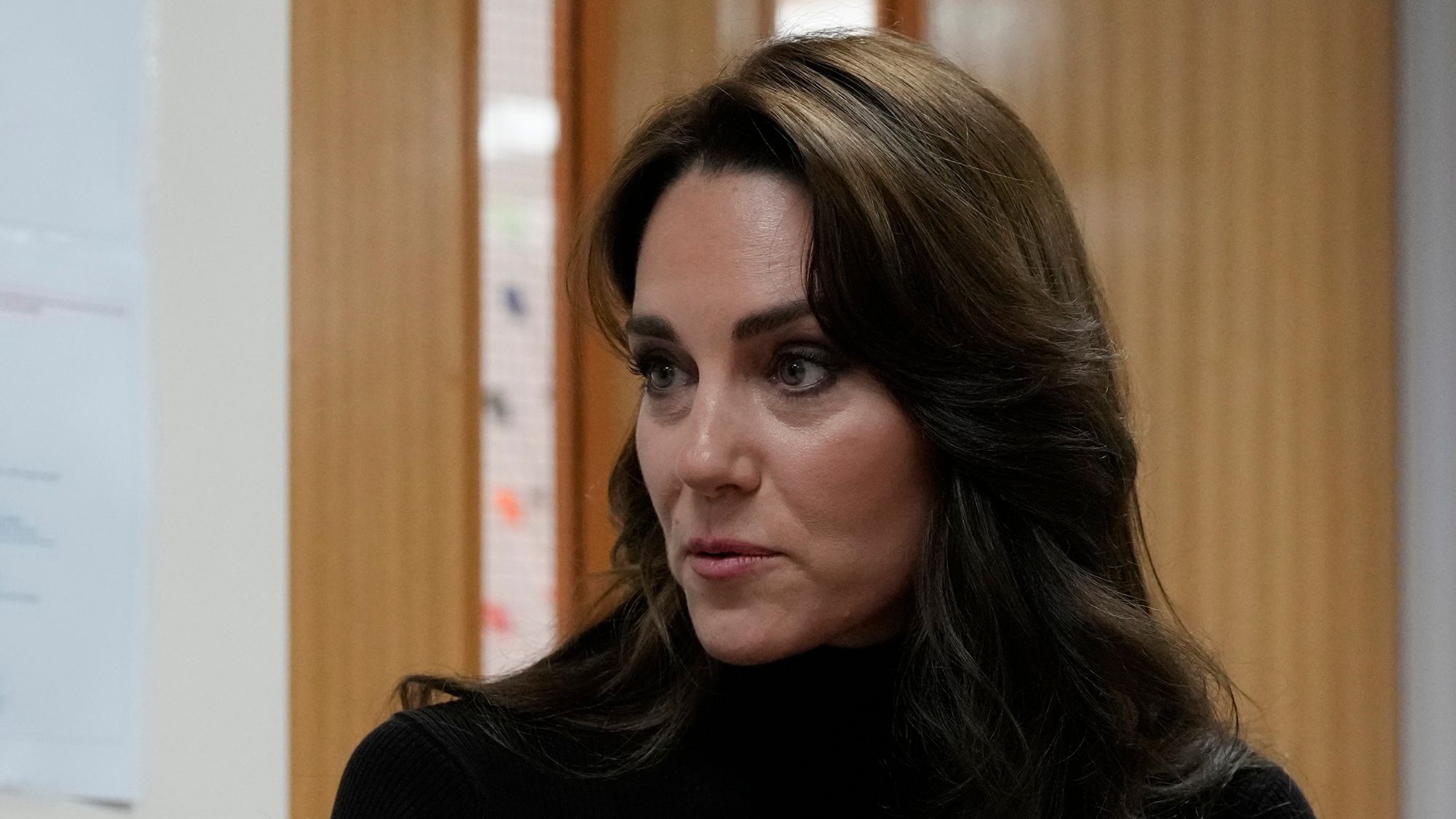
In early 2024, Kensington Palace confirmed that Catherine, Princess of Wales, would step back temporarily from public engagements following a medical procedure. The Palace emphasized that updates would be shared only when appropriate and asked for privacy during her recovery.
This approach aligned with long-standing royal practice: medical matters concerning members of the Royal Family are disclosed sparingly and on a need-to-know basis. Prince William continued with limited engagements during this period while prioritizing family responsibilities, a decision widely reported by major outlets such as the BBC, Sky News, and The Guardian.
Royal commentators have consistently noted that William has taken an increasingly hands-on role in managing how his household balances duty and personal wellbeing, particularly since becoming Prince of Wales in 2022.
Distinct Roles Within the Royal Family
Queen Camilla, as Queen Consort, supports King Charles III in his constitutional and ceremonial duties. Her role differs fundamentally from that of the Prince and Princess of Wales, whose household is managed independently through Kensington Palace.
According to constitutional experts and royal historians, senior royal households operate with significant autonomy. Decisions regarding engagements, schedules, and public messaging for the Wales family are made by their own staff, not by Buckingham Palace or other royal households.
This structure means that differing approaches to visibility or timing should not be interpreted as personal conflict, but rather as reflections of distinct responsibilities within the institution.
Public Perception Versus Palace Reality
Periods of reduced public visibility often prompt speculation, particularly during high-profile seasons such as Christmas or national ceremonies. However, reputable royal correspondents have repeatedly cautioned against interpreting absence or silence as evidence of internal disputes.
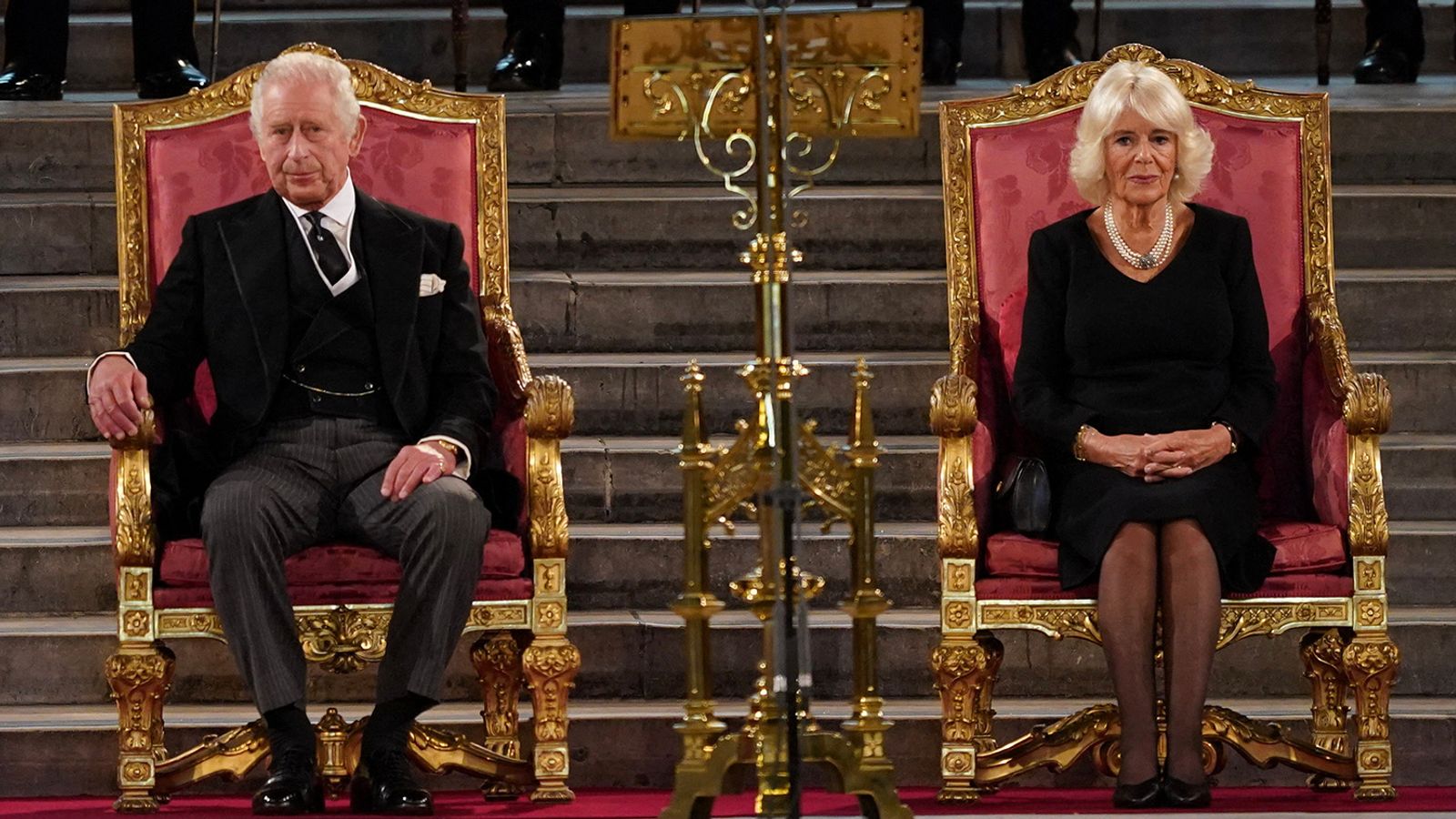
Both Prince William and Queen Camilla have maintained consistent public professionalism during joint appearances, including state occasions and ceremonial events. No verified reports from official palace sources or established journalists have confirmed any personal disagreement between them.
The Royal Family has historically avoided addressing rumors directly, opting instead to allow official schedules and appearances to speak for themselves.
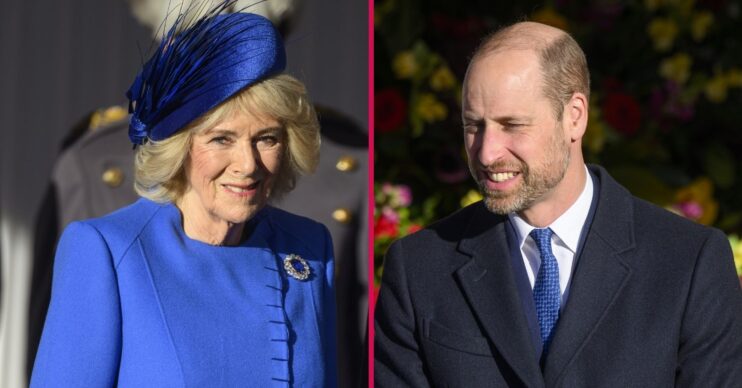
Prince William’s Evolving Leadership Style
Since becoming Prince of Wales, William has increasingly emphasized a streamlined, modern approach to monarchy. In interviews and official statements, he has spoken about focusing on impact rather than volume of engagements, prioritizing mental health awareness, homelessness initiatives, and environmental issues.
Royal analysts from outlets such as ITV News and The Times have observed that William’s leadership style reflects generational change rather than internal opposition. His emphasis on family balance has been consistent with broader societal shifts and does not represent a departure from royal duty.
Importantly, protecting the privacy and wellbeing of immediate family members has long been recognized as a responsibility of senior royals, particularly heirs to the throne.
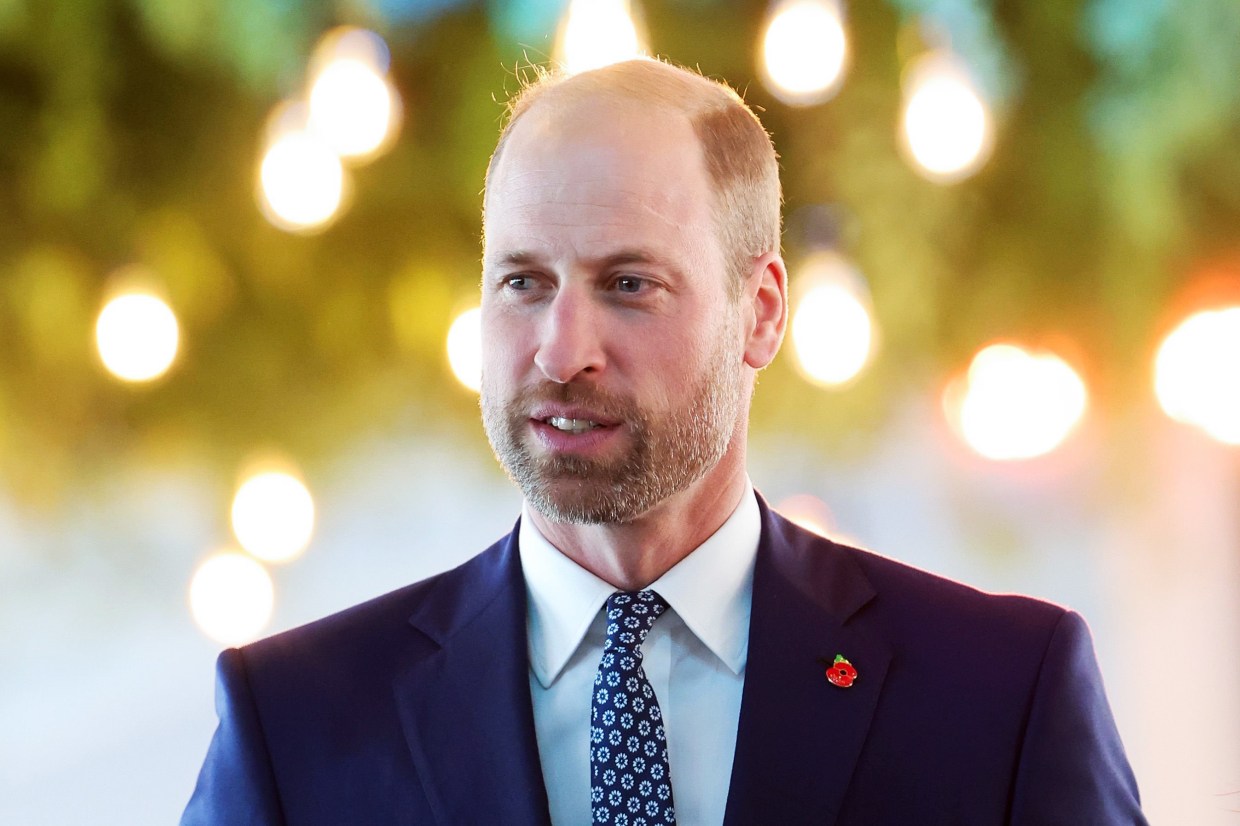
Queen Camilla’s Public Role and Continuity
Queen Camilla has continued a full schedule of engagements in support of King Charles, including charitable work related to literacy, domestic wellbeing initiatives, and cultural patronages. Her public role remains aligned with expectations set out at the beginning of the King’s reign.
There is no public evidence suggesting that Queen Camilla has attempted to influence decisions related to the Wales household. Royal protocol does not grant the Queen Consort authority over the personal or professional arrangements of the Prince of Wales’s family.
The Importance of Institutional Stability
Royal historians emphasize that periods of adjustment are normal, especially during the early years of a new reign. King Charles III has overseen a transition that includes a reduced number of working royals, clearer role definitions, and a focus on sustainability within the institution.
Within this framework, differing approaches to public engagement should be understood as strategic choices rather than signs of discord.
The monarchy’s long-term stability depends on cooperation across generations, but also on respecting the independence of each royal household.
Media Narratives and Responsible Reporting
While public interest in the Royal Family remains high, reputable outlets increasingly stress the importance of distinguishing verified information from conjecture. Speculation about private family interactions, particularly those framed as emotional confrontations, is rarely supported by on-the-record sources.
Royal editors at major publications have noted that holiday periods often amplify rumor cycles due to fewer official engagements and increased public scrutiny.
Looking Ahead
As 2025 approaches, the Royal Family is expected to maintain a measured public presence, with gradual adjustments based on health, scheduling, and institutional priorities. Observers anticipate continued cooperation among senior royals, guided by protocol rather than personal narrative.
The monarchy’s strength has historically rested on continuity, discretion, and restraint—qualities that remain central to its modern operation.