BREAKING NEWS 5 MINUTES AGO: “GAME OVER: PRINCESS ANNE JUST ENDED THE SUSSEX COMEBACK FOR GOOD.”

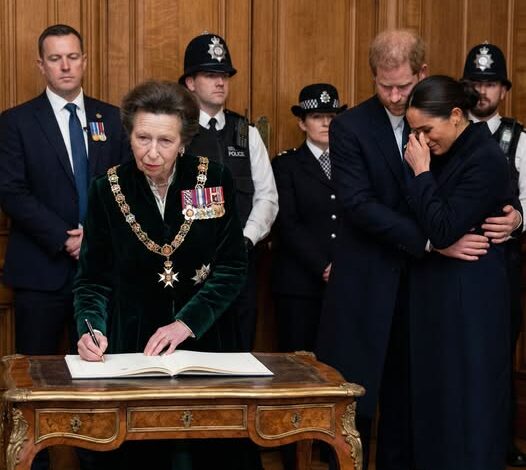
BREAKING NEWS 5 MINUTES AGO: “GAME OVER: PRINCESS ANNE JUST ENDED THE SUSSEX COMEBACK FOR GOOD.”

 Royal Comeback or Strategic Spin? Princess Anne and the Palace Guard Against the “Sussex Master Plan”
In recent months, the global narrative surrounding Prince Harry’s potential return to the royal fold has reached a fever pitch. Publicly, these overtures are framed as a son’s heartfelt plea for reconciliation—an emotional journey toward forgiveness and family healing. However, beneath this polished surface, a much grittier debate is unfolding. Royal insiders and seasoned commentators are beginning to ask a difficult question: Is this about family, or is it about the bottom line?


According to a series of explosive new analyses, the Duke of Sussex’s sudden desire to mend fences with King Charles III may be less about “home” and more about “headquarters.”
 The Commercial Strain: Why the Brand Needs the Crown
Since the dramatic “Megxit” of 2020, Harry and Meghan have carved out a life fueled by massive media contracts. Their financial independence was built on the pillars of streaming giants, high-stakes publishing, and global production deals. But three years later, that foundation is showing visible cracks. 

Royal expert Duncan Larcombe suggests that the “Sussex Brand” is facing an existential crisis. As major partnerships—including those with platforms like Netflix—face renewal or scrutiny, the realization has set in: The Sussexes’ greatest commercial asset is their proximity to the British Monarchy. Without active or even perceived access to the halls of Buckingham Palace, the “royal currency” begins to devalue.
> “Royal relevance is not merely symbolic; it is a financial lifeline,” one observer noted. “When the projects disconnected from the Crown struggle to find an audience, the only path left is back toward the family.” 
 Princess Anne: The Enforcer of Royal Integrity
While King Charles remains a father who undoubtedly loves his son, the “Old Guard” of the Palace—led by the formidable Princess Anne—is reportedly skeptical. Anne, often described as the “hardest working royal,” is known for her no-nonsense approach to duty and her allergic reaction to using the Monarchy for personal gain. 

Sources suggest that the Princess Royal sees through what critics call the “Sussex Master Plan.” From the Palace’s perspective, a reconciliation that is televised or marketed is not a reconciliation at all—it is a business transaction. The concern is that if Harry is allowed back in, any private moment could become the subject of the next “tell-all” project once commercial pressure mounts again. This is what Larcombe describes as the risk of “selling the family silver.”
Strategic Timing or Sincere Sentiment?
The timing of Harry’s recent olive branches has not gone unnoticed. His high-profile meeting with the King last September, followed by a sudden shift in tone during major media interviews, coincided perfectly with industry rumors about the future of his commercial partnerships. 

Critics argue that if the Sussexes’ financial ventures were thriving independently of royal drama, these emotional appeals might not be happening at all. This creates a “Trust Gap” that the Palace is finding impossible to bridge.
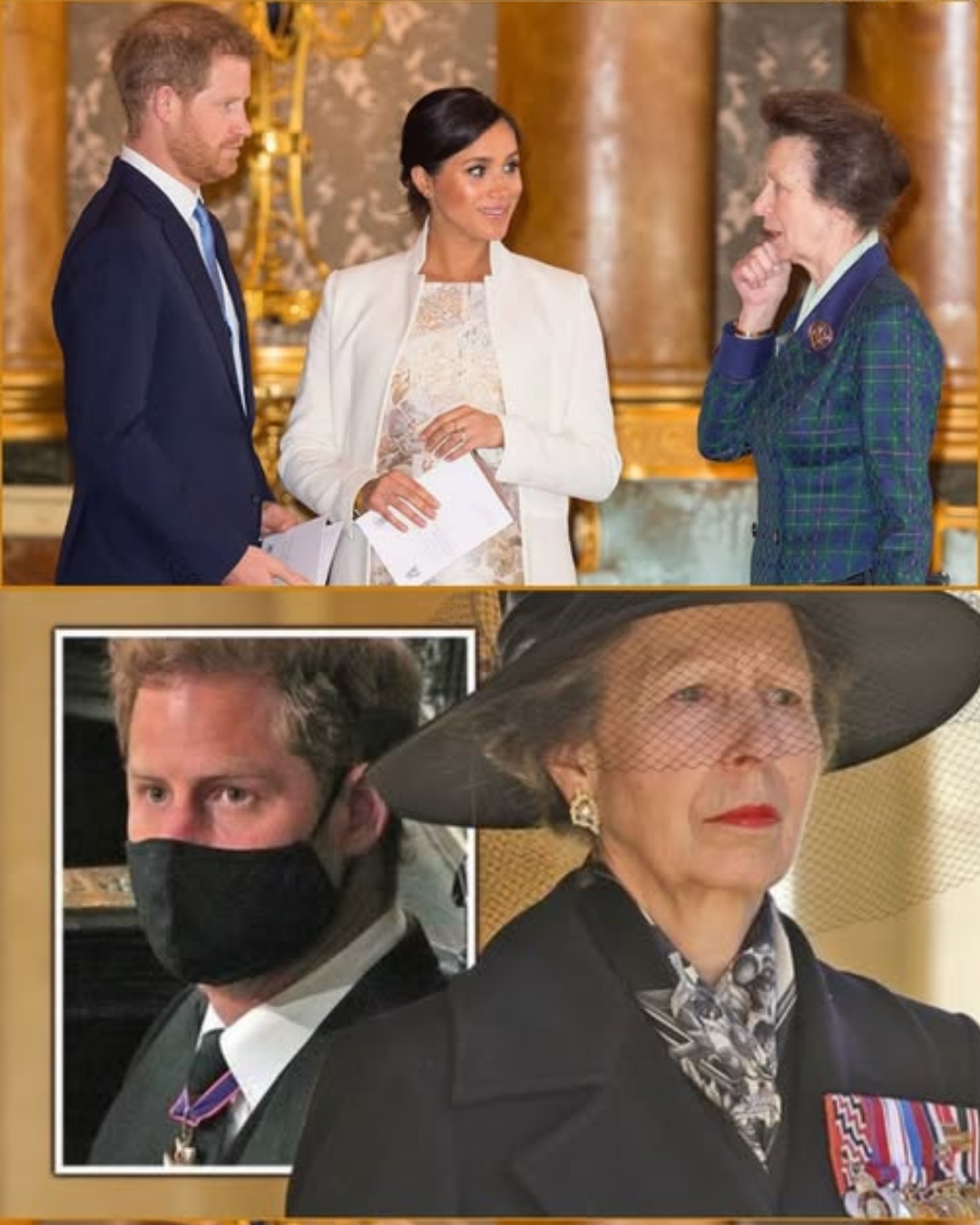
The core issues remain:
* Trust: Can Harry be trusted in a private room without a microphone? 

* Commercial Boundaries: Will a royal rapprochement be used to boost “brand value” for future deals? 
* The Public Perception: Does the public see a healing family or a strategic pivot? 
A Divided Public: Sincerity vs. Strategy
The court of public opinion is just as fractured as the family itself. Online forums and social media are buzzing with debate. Some fans argue that Harry is simply a man who has realized the weight of his choices and misses his father. They see the financial struggle as a natural consequence of a brave move toward independence.
However, a louder faction remains deeply cynical. One viral comment summed up the sentiment perfectly: “Family healing shouldn’t come with a business plan and a PR strategy attached.” 
 Others point out that the Monarchy is a 1,000-year-old institution that survives on discretion and duty, values that appear at odds with the Sussexes’ “open book” commercial model.
The Palace’s Guarded Distance
For now, the Royal Family is maintaining a distance that is as much about protection as it is about protocol. While King Charles may keep the door to Balmoral slightly ajar, the institutional lock remains firmly in place. 

The message from the Palace is clear: Trust is earned through sacrifice, not strategy. Until Harry can convince the “Firm”—and his aunt, Princess Anne—that his motives are purely filial and entirely disconnected from his next Netflix invoice, the “Royal Comeback” may remain a master plan that never truly takes flight.