‘I’ll Be Ready to Come Back As Long As King Charles and Royal Members Obey to My Rules’
After four years of geographic and emotional distance from the British monarchy, Meghan Markle is reportedly orchestrating a highly calculated return to the United Kingdom. However, this anticipated homecoming is far from a simple family reunion. Whispers from royal insiders suggest a stunning ultimatum: a willingness to return only if King Charles and senior royal members agree to abide by her specific set of rules. This bold stance highlights that her potential reappearance is not an act of submission, but rather a carefully staged maneuver equipped with significant leverage. It sets the stage for a high-stakes negotiation where personal boundaries clash with centuries-old institutional protocols.
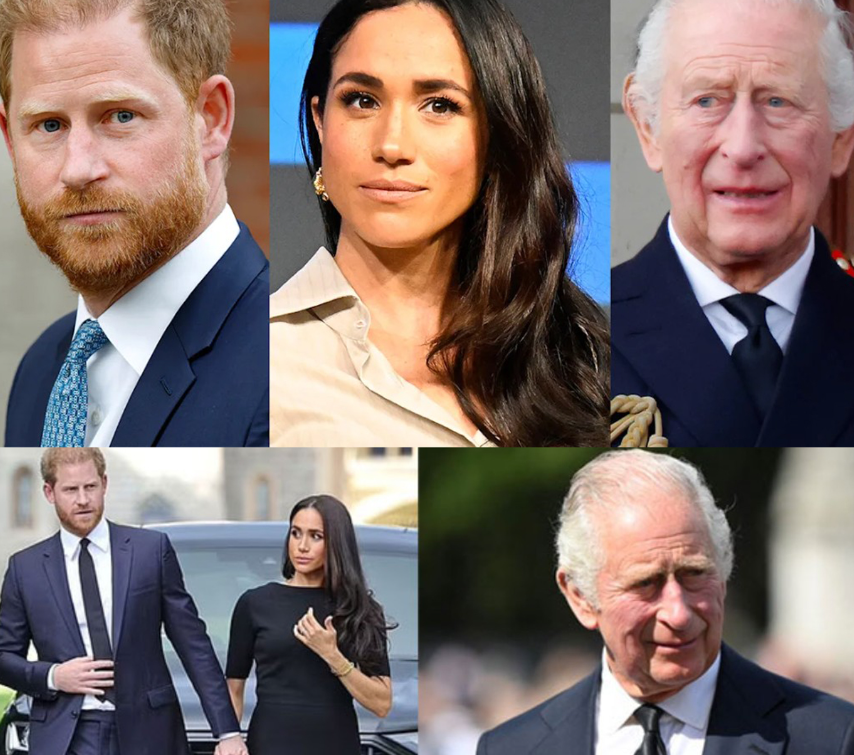
The foundation of these reported demands is built upon unresolved tensions that have never truly faded since the Sussexes’ dramatic departure. Sources indicate that Meghan’s approach is deeply shaped by a need for psychological and physical protection, fueled by lingering memories of the intense scrutiny she previously faced. The conditions she is allegedly laying out touch on fundamental issues of trust and authority within the Firm. For the Duchess, these rules are likely not just logistical requirements, but essential safeguards to ensure she is not subjected to the same environment that prompted her exit. It is a demand for a new operational framework, one where the unspoken rules governing her presence are completely redefined.
On the other side of the Atlantic, Buckingham Palace’s response has been characterized by a deliberate and deafening silence. This lack of immediate pushback or confirmation is a strategic move in itself, reflecting the delicate nature of the situation. Every condition laid out carries immense symbolic weight, and any concession made by King Charles would be heavily scrutinized by both the public and the British press. The institution is caught in a complex balancing act: navigating the optics of family reconciliation while maintaining the unyielding hierarchy that defines the monarchy. The timing of these leaks and the strategic pauses from the Palace suggest a quiet, behind-the-scenes chess match over who ultimately controls the narrative.
If this highly conditioned return does eventually materialize, it will signify much more than a mere transatlantic visit. It will mark a profound recalibration of boundaries that many royal watchers assumed were permanently settled. A successful negotiation of these terms would demonstrate an unprecedented shift in royal dynamics, suggesting that the traditional hierarchy can indeed be challenged and restructured from the outside. Ultimately, the world watches to see if the rigid traditions of the British monarchy will bend to accommodate the modern, unyielding boundaries of a Duchess who refuses to return without a guarantee of autonomy and respect.